How to Safely Pack Clothes and Linens for an Overseas Move
Written by Carol Appelbaum, founder of Luxury Pro Organizer
Houston professional organizer specializing in luxury home organization, professional packing, unpacking, and move management.
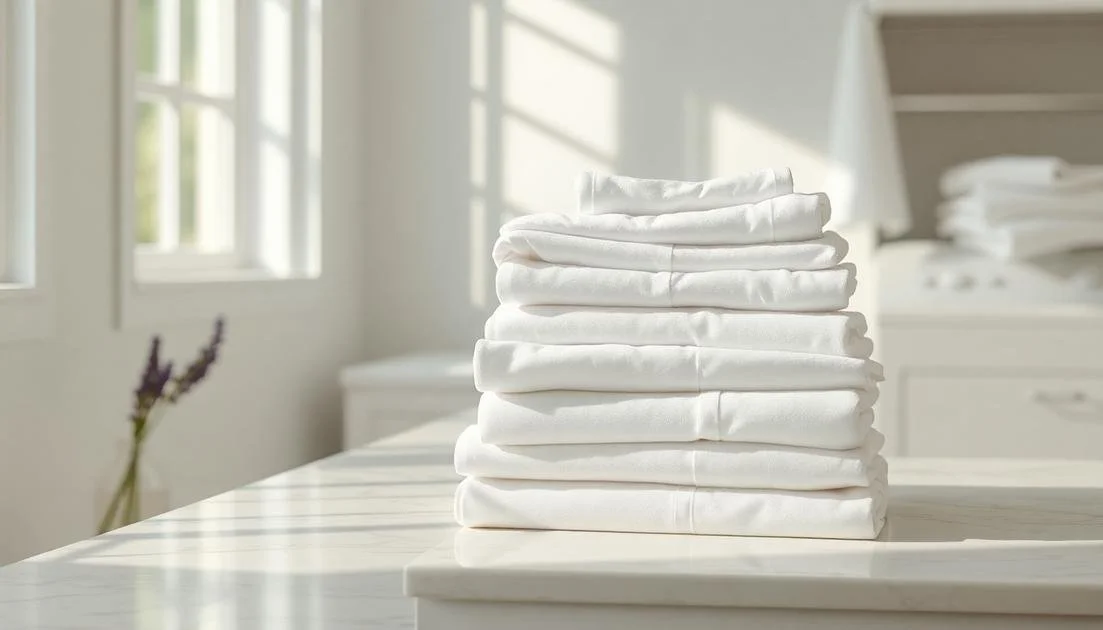
Clothes and linens traveling by cargo ship or plane should be completely clean and dry before they are packed. Plastic bins can provide valuable short-term protection during transportation, but breathable containers are generally better for extended storage. Delicate fabrics require additional protection from moisture, compression, temperature changes, and prolonged contact with plastic.
What I Learned While Preparing Clients for an Overseas Move
I have worked with clients whose belongings were being transported overseas by both cargo ship and plane. Their clothing, bedding, towels, and household linens would remain packed for an extended period while passing through changing temperatures and humidity levels.
Because this was very different from a local move, I researched how various fabrics respond to plastic, moisture, limited airflow, and prolonged compression. We organized the textiles by material, destination, and when the family would need them. We also made sure everything was clean and completely dry before selecting the safest packing method for each category.
This is the level of detailed planning we bring to our Houston packing, unpacking, and moving services. The goal is not simply to fill boxes. It is to protect each client’s belongings, create an organized departure, and make the eventual unpacking process as efficient as possible.
Is It Safe to Store Clothes and Linens in Plastic Bins?
Plastic bins can be useful during a move because they protect belongings from dirt, pests, handling, and exterior moisture. The concern arises when textiles remain tightly sealed in plastic for an extended period, especially if humidity or moisture becomes trapped inside.
Because sealed plastic does not allow airflow, clothes and linens can develop a stale or musty odor. Certain fabrics may also become excessively creased or lose some of their softness after being compressed for a long time.
For valuable, vintage, or delicate textiles, the Smithsonian advises against sealing items in airtight plastic because trapped condensation can damage the fabric. The Smithsonian recommends acid-free tissue and appropriate archival storage for long-term preservation. You can read its guidance for storing antique textiles.
For an overseas move, however, plastic may still be necessary as an exterior protective barrier. The best approach depends on the fabric, length of the journey, transportation conditions, and how long the items will remain packed after arrival.
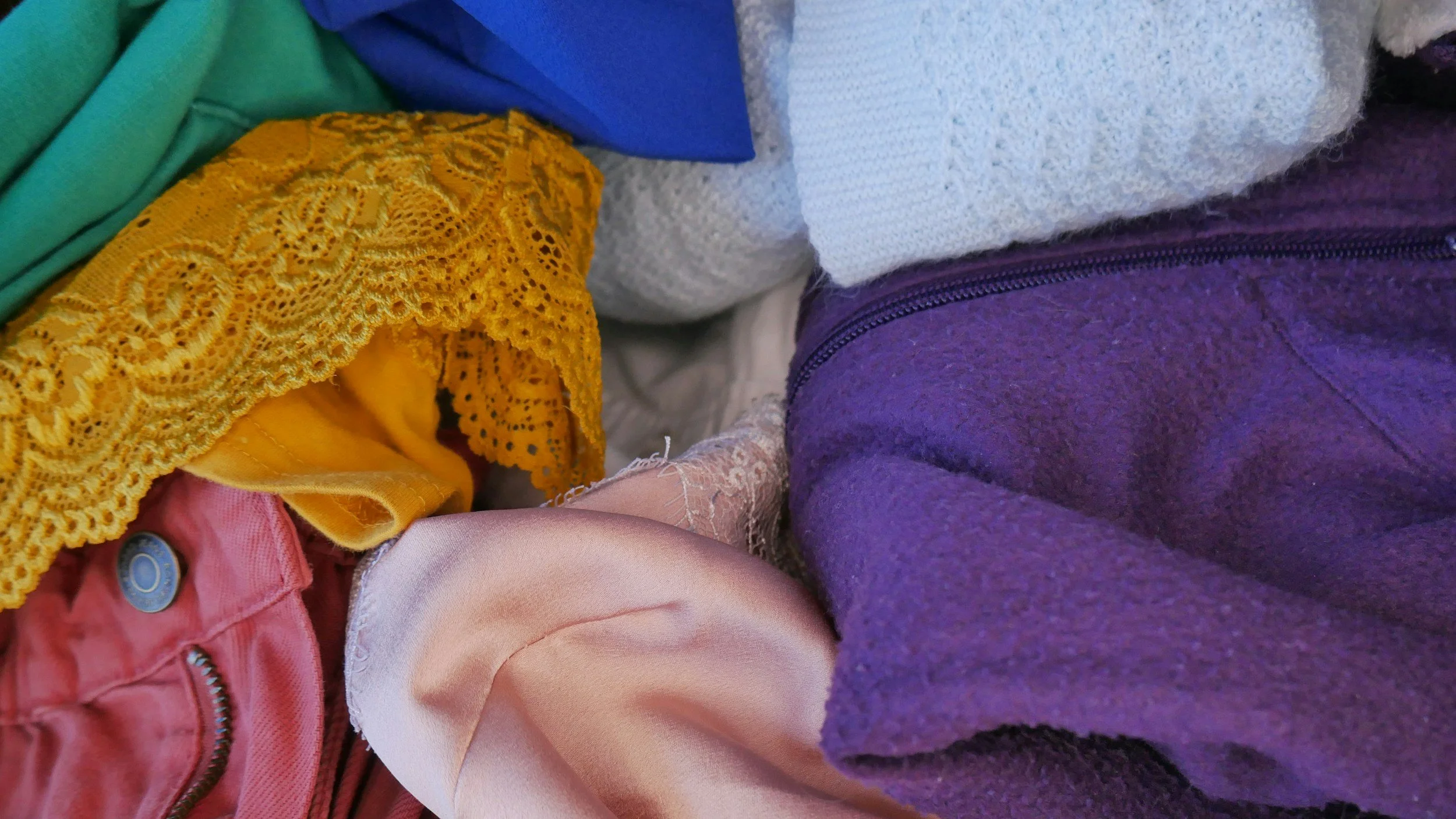
How Does Limited Airflow Affect Different Fabrics?
Every fabric has different storage needs. Before packing, separate clothing and linens by material rather than treating every textile the same way.
Cotton and linen
Natural fibers such as cotton and linen can absorb moisture from the surrounding air. If that moisture becomes trapped inside a sealed container, the fabrics may begin to smell stale, look dull, or develop spotting.
Make sure cotton bedding, towels, table linens, and clothing are completely dry before packing. Fold them loosely when space permits and avoid placing them under excessive weight.
Wool
Wool should always be cleaned before it is packed. Residue from perspiration, food, perfume, or body oils can attract fabric-damaging insects.
Wool also benefits from breathable storage and should not be tightly compressed for extended periods. Cedar products may help discourage moths, but cedar does not absorb moisture and should not be treated as a replacement for proper cleaning and storage.
Silk
Silk is delicate and should not remain tightly folded, compressed, or in direct contact with plastic for an extended period. Loosely wrapping silk in acid-free tissue paper before placing it in an appropriate garment bag or protective container can reduce stress on the fabric.
Synthetic fabrics
Synthetic materials are typically less absorbent than cotton, linen, or wool. However, they can still trap odors, particularly if they are packed before being thoroughly cleaned and dried.
Structured garments and clothing with embellishments may also lose their shape when compressed, regardless of whether the fibers are natural or synthetic.
Thoughtful wardrobe preparation is especially important when packing valuable clothing or transitioning into a newly designed closet. Visit our project gallery to see examples of the refined, functional spaces we create.
How Does Moisture Develop Inside a Sealed Container?
Moisture does not have to come from a visible leak. Small amounts of humidity can become trapped inside a plastic bin through:
Clothing or linens that are not completely dry
Humid air present when the container is packed
Temperature changes during transportation
Condensation caused by moving between different environments
A damp warehouse, shipping container, airplane cargo hold, or temporary storage space
Once a plastic bin is sealed, that moisture has very little opportunity to escape. This makes preparation especially important when belongings will travel through multiple climates or remain inside a shipping container for several weeks.
A fabric-safe desiccant, such as an appropriate silica gel packet, can help manage small amounts of moisture. It should never be used as a substitute for packing clean, completely dry textiles.
What Are the Signs of Improper Fabric Storage?
When opening clothing or linen containers after a move, look for:
A stale or musty odor
Stiffness or a change in texture
Yellowing or discoloration
Small spots or visible mildew
Deep or permanent creases
Loss of shape in structured garments
Evidence of moths or other fabric-damaging insects
If an item smells stale but has no visible mold or mildew, remove it from the container and allow it to air out in a clean, dry, well-ventilated space.
If you see visible mold, mildew, or unexplained spotting, keep the affected item away from other textiles and consult a qualified textile or cleaning professional before placing it in a closet or linen cabinet.
The Safest Way to Pack Clothing and Linens
For long-term indoor storage, breathable containers are usually the better choice. Cotton garment bags, fabric storage containers, acid-free tissue, and archival-quality boxes allow more airflow while protecting delicate items.
When plastic containers are necessary for transportation, follow these precautions:
Wash or professionally clean items before packing.
Make sure every item is completely dry.
Sort textiles by fabric type and weight.
Avoid overfilling the container.
Fold fabrics loosely whenever space allows.
Place acid-free tissue between delicate garments.
Place heavier linens beneath lighter fabrics.
Keep delicate fabrics from resting directly against plastic.
Use an appropriate fabric-safe moisture absorber when needed.
Label every container by room, category, and owner.
Unpack the textiles as soon as practical after arrival.
If the bins remain in storage, inspect and air them periodically.
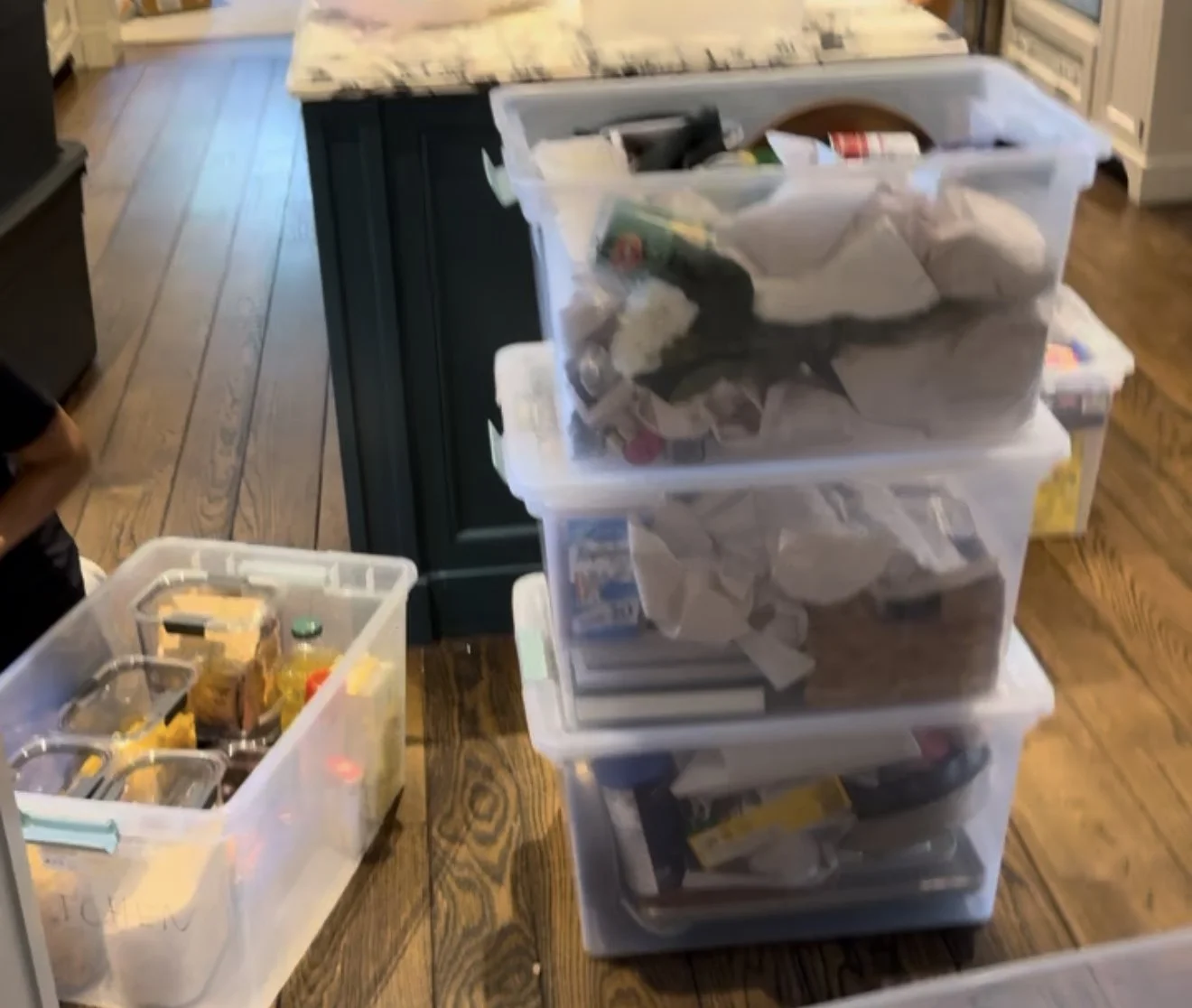
Our professional organizing process begins with learning how the client lives, what the move will involve, and what each family member will need during the transition. This allows us to create a packing and unpacking plan tailored to the household instead of relying on a one-size-fits-all system.
Should You Use Vacuum-Sealed Bags for an Overseas Move?
Vacuum-sealed bags can save a significant amount of space, but they are not appropriate for every type of textile.
They may be helpful for short-term transportation of durable, washable clothing. However, prolonged compression can affect:
Down or feather-filled bedding
Comforters and pillows
Wool garments
Silk and delicate fabrics
Structured jackets and dresses
Clothing with beading or embellishments
Vintage or sentimental textiles
If compression bags are used, avoid filling them with delicate, irreplaceable, or highly structured pieces. Once the shipment arrives, remove the contents promptly and allow the textiles to recover their natural shape.
Packing for an Overseas Move Requires a Different Strategy
An international relocation involves far more than deciding what belongs in each box. The plan may need to account for the length of the journey, transportation conditions, customs requirements, climate differences, temporary housing, and the belongings the family will need immediately upon arrival.
We may divide an overseas move into several categories:
Items traveling with the family
Immediate-use essentials
Air cargo
Sea freight
Long-term storage
Delicate or irreplaceable belongings
Items to donate, sell, or leave behind
Creating these categories before packing prevents necessities from becoming inaccessible during a lengthy transition. It also helps the family decide which belongings justify the cost and logistics of international transportation.
Luxury Pro Organizer provides professional home organizing and decluttering services throughout Houston and the surrounding communities. Our relocation services may include pre-move editing, professional packing, inventory organization, detailed labeling, unpacking, organizing-product selection, space planning, and styling the new home.
Frequently Asked Questions
Can clothes be stored in plastic bins?
Yes, plastic bins can protect clothing during transportation or short-term storage. Every item should be clean and completely dry before packing. For extended storage—particularly for delicate, vintage, or natural-fiber garments a breathable or archival storage solution is generally preferable.
Should linens be packed in plastic for an overseas move?
Plastic can provide an exterior barrier against dirt and moisture during shipping. However, linens should never be packed while damp, and delicate pieces should not remain in direct contact with plastic for an extended period. An inner layer of acid-free tissue or another appropriate protective material may be helpful.
How do you prevent moisture inside moving bins?
Pack in a clean, dry, climate-controlled space whenever possible. Make sure all textiles are completely dry, avoid trapping humid air inside the container, and consider using an appropriate fabric-safe desiccant.
Can vacuum bags ruin clothing?
Vacuum bags can cause deep creasing and prolonged compression. They are not the best choice for silk, wool, structured garments, embellished clothing, vintage textiles, or down-filled bedding.
How soon should clothes be unpacked after an overseas move?
Clothing and linens should be removed from plastic containers as soon as practical after arrival. Inspect everything for odors, moisture, discoloration, or signs of damage before placing the items in newly organized closets and cabinets.
Begin Your Move With an Organized Plan
The way belongings are prepared before a move directly affects how smoothly a family can settle into its new home. Properly protected clothes and linens arrive fresher, are easier to unpack, and can be placed directly into thoughtfully organized closets and cabinets.
With experience in professional organizing, design, packing, and customized home systems, I approach every relocation knowing that each family and each belonging has different needs.
You can learn more about Luxury Pro Organizer, explore our organizing resources, or view my expert organizing advice featured in national publications.
If you are preparing for a move in Houston or a relocation beyond Texas, contact Luxury Pro Organizer to discuss professional packing, unpacking, and organizing support.