How to Keep Everyday Items Organized, Tidy and Easy to Reach
A beautifully organized home shouldn't make everyday life more difficult. The best organizing systems keep the things you use most exactly where you need them without allowing countertops, cabinets, drawers and shelves to become cluttered.
I'm Carol Appelbaum, founder of Luxury Pro Organizer in Houston. One of the principles I use when organizing clients' homes is simple: every item needs a home, but not every item deserves the most convenient real estate.
I recently shared my professional organizing advice on this subject with The Spruce. Here are some of the principles I use when creating organized spaces that are both beautiful and functional.
Start by Grouping Like Items Together
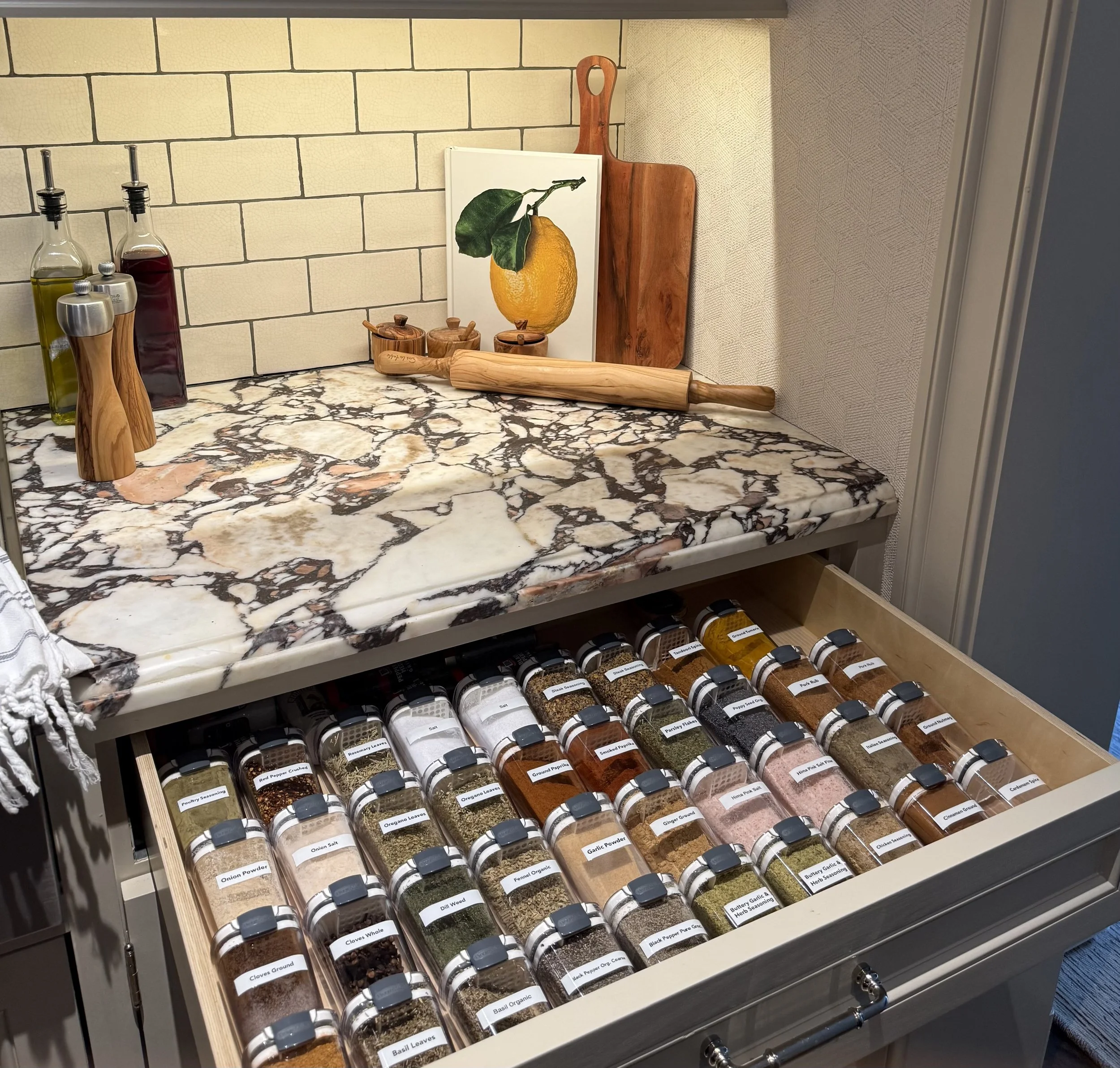
Before deciding where anything should live, gather similar items together.
This is when you often discover how much duplication has accumulated.
You may find three potato peelers, several nearly identical serving utensils, duplicate cleaning products or multiples of something you consistently reach past to get to your favorite.
Keep the items you actually use and need. Donate, recycle, sell or discard the unnecessary duplicates.
Reducing excess makes the next step, assigning everything a home, much easier.
Give Everything a Specific Home
One of the simplest secrets to maintaining an organized home is knowing exactly where something belongs.
When every belonging has a designated location, you don't have to decide where to put it each time you use it. You know where to find it, and you know where to return it.
This is also why everyone who shares the space should understand the system.
An organizing system only works long-term when putting something away is just as intuitive as taking it out.
Organize According to How Often You Use Something
Not everything needs to be equally accessible.
I recommend organizing belongings according to their frequency of use:
Daily and weekly items: Give these the easiest-to-reach locations: accessible drawers, shelves, cabinets or appropriate countertop space.
Monthly or bi-monthly items: Keep them within reach, but don't allow them to interfere with the things you use every day.
Items used every three to six months: These can occupy less convenient locations, including higher shelves or secondary storage areas.
Annual items: Store these more remotely so they aren't consuming valuable everyday storage space.
This creates a hierarchy within your home: the more frequently you use something, the easier it should be to retrieve and return.
Create Zones Around How You Live
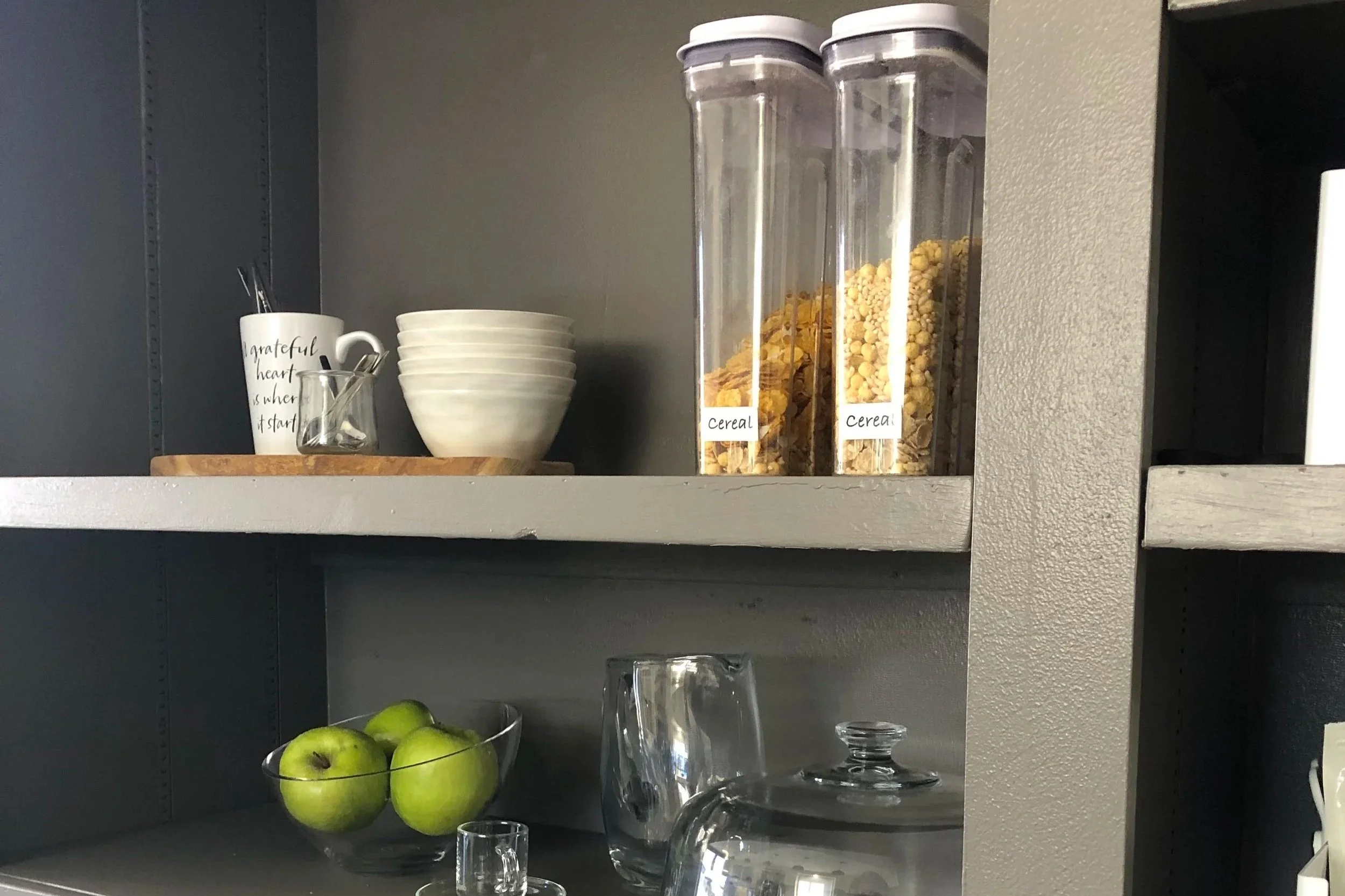
I also organize items according to where and how they're used.
In a kitchen, for example, baking ingredients and tools make sense together near the area where baking typically happens. Coffee supplies can create a coffee zone. Children's snacks can have their own designated area.
The same principle works throughout a home.
Instead of asking, “Where can I fit this?”, ask:
“Where would I naturally look for this when I need it?”
That question can completely change how functional an organizing system becomes.
Follow the One-In, One-Out Principle
An organized space needs room to function.
When you bring something new into an already organized area, immediately decide where its permanent home will be.
If the new purchase replaces something you already own, remove the item it's replacing as soon as possible. Donate it, sell it, recycle it or discard it rather than allowing both items to remain indefinitely.
This simple one-in, one-out habit prevents an organized space from slowly becoming overcrowded again.
Review the Things You Rarely Use
Items stored farther away are often the easiest to forget.
I recommend reviewing infrequently used belongings at least once a year.
Ask yourself whether you still use them, whether something else has replaced them, and whether they still deserve the storage space they're occupying.
Your home and lifestyle change. Your organizing systems should be allowed to change with them.
The Goal Isn't Just a Tidy Home
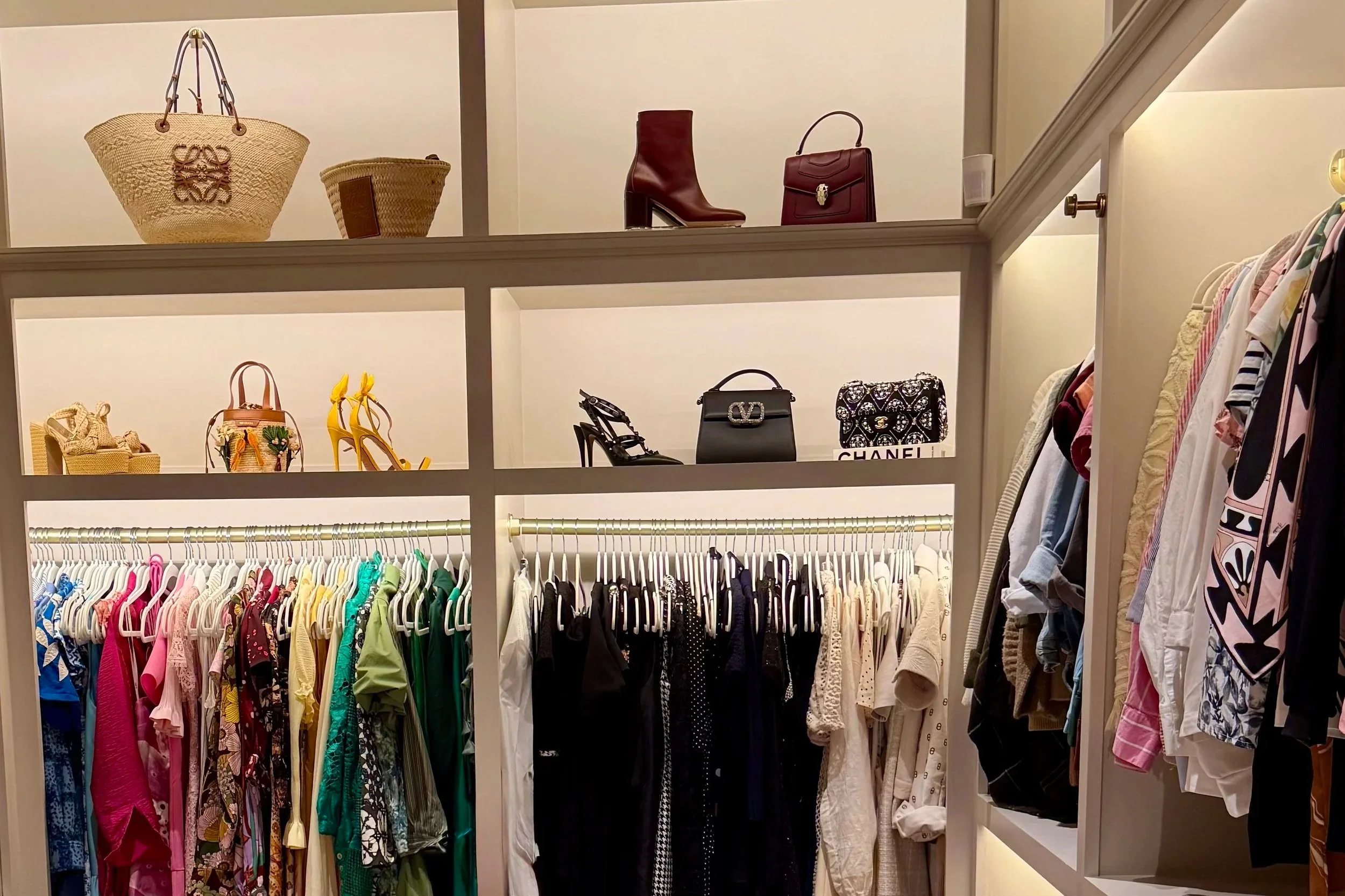
For me, professional organizing isn't about hiding everything away.
It's about creating an environment where beauty and function work together.
A well-designed organizing system should make your home easier to live in. The things you use frequently should be easy to find and easy to put away, while less frequently used belongings shouldn't compete for your most valuable storage space.
That's how organization becomes sustainable rather than something you continually have to redo.
Featured in The Spruce
I was pleased to share some of these professional organizing principles with The Spruce for its article about keeping belongings accessible while maintaining a tidy home.
Visit the Luxury Pro Organizer Press page to read the full feature and explore more of Carol Appelbaum's organizing advice featured in national publications.
Luxury Pro Organizer provides professional home organization, luxury moving and unpacking, and customized organizing solutions throughout Houston and surrounding communities.
Schedule a consultation with Luxury Pro Organizer.